
Sealord’s new ‘Workplace Fish Discrimination Report’ reveals a deep divide in the New Zealand workplace when it comes to eating fish.
From ‘no fish’ stickers on the microwave, to upturned noses of colleagues, it’s long been clear that a stigma exists toward fish in the New Zealand workplace, but never the data to prove it.
For the first time in New Zealand history, Kiwis now have irrefutable proof of the thing they have always known; despite loving fish, a culture of shame has infected the Kiwi lunch room.
Sealord’s ‘Workplace Fish Discrimination Report’ used Ideally to survey a nationally representative sample of 1,000 Kiwis to understand how deep this stigma runs.
Amongst the most alarming insights is news that one in two (46%) New Zealanders admit to leaving their beloved fish lunch at home, due to the perceived judgement from their colleagues.
Sealord’s GM of Marketing Melissa Butler knew there was a stigma around eating fish in public, but didn’t realise how serious it was.
“We were really surprised to learn just how many people haven’t taken fish to work because they’ve been worried about being shamed by others,” said Butler.
She says as a country surrounded by ocean, we should be accepting of fish of all sorts, fresh, leftover or canned.
“We love fish in New Zealand, but somewhere along the way a toxic thread has taken our workplace culture hostage. No Kiwi should experience fish discrimination in the workplace,” she says.
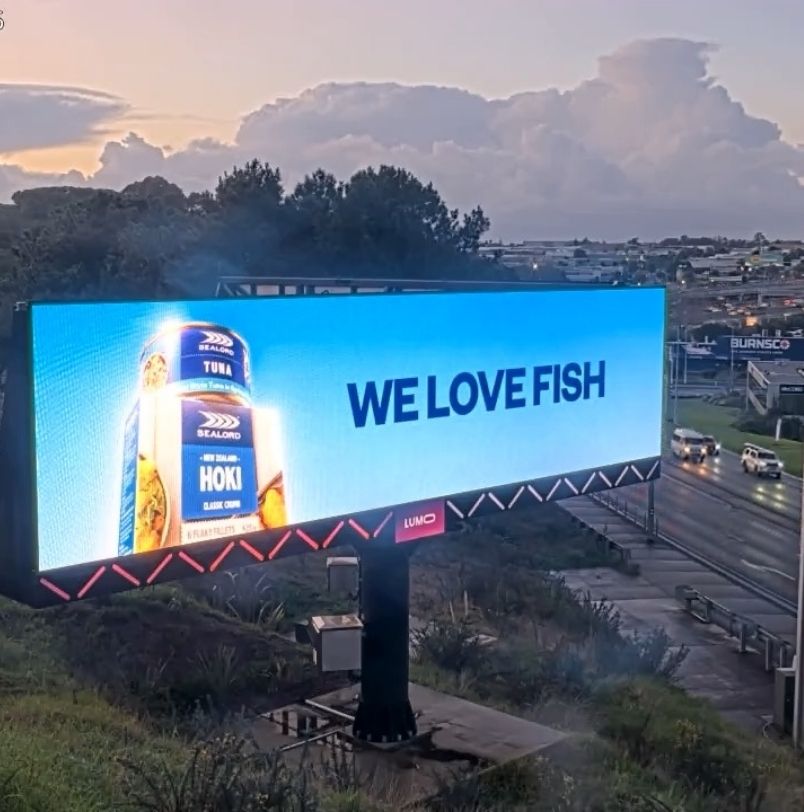
The stigma coming between Kiwis and their succulent fish lunches
According to the research, two thirds of Kiwis (67%) believe fish is judged more harshly than other lunch foods in the workplace.
While the classic microwave warning sign might feel like a joke, Sealord says the data shows workplace fish shame is having a real impact on how New Zealanders eat.
Concern about smell is the key reason Kiwis avoid eating fish at work, with 55% saying it is a factor. Another 33% say fish doesn’t reheat well, while 17% say embarrassment stops them bringing fish in for lunch.
Perhaps most concerningly, 11% of New Zealanders say official or unofficial workplace policy is coming between Kiwi workers and their succulent fish meals.
Melissa Butler says the company is calling for workplaces to take a long, hard look at their fish-related policies, posters and passive aggressive lunchroom norms.
“We think it’s time to ask whether the workplace has gone too far. Nobody is putting up signs telling people not to bring in boiled eggs or last night’s boiled mutton, but fish seems to have become the lunch everyone thinks they can police,” she says.
Shockingly, the data reveals that fish is judged 3.6 times more socially risky than fast food – 58% of New Zealanders see fish-based leftovers as socially risky to bring to work, compared to just 16% who feel the same way about fast food.
The fish lunch divide runs deeper than the microwave
The report also found that tinned fish is dividing the nation, with 55% of Kiwis comfortable with a colleague eating tinned fish at their desk or in close proximity, while 21% say it is unacceptable.
Reheated fish remains the bigger flashpoint, with 29% of Kiwis saying reheated fillet or leftover cooked fish is the fish meal most likely to attract a negative reaction in a shared workplace.
The report also found the fish stigma follows Kiwis beyond the office. An astonishing 56% said they would feel uncomfortable eating fish on public transport, one in five (19%) are unhappy with it being enjoyed at school or uni, and 12% would feel that discomfort with their flatmates tucking in.
Of the fringe group of New Zealanders who either never, or very rarely, indulge in a succulent fish meal, their intolerance to their colleagues is particularly high.
40% of non fish eaters said it’s unacceptable for their colleagues to enjoy fish at their desk, double the average of the wider New Zealand public (20%).
Half (47%) of that same radical sect of non-fish eaters say it’s unacceptable for their colleagues to reheat fish at their job, up from the 26% national average.
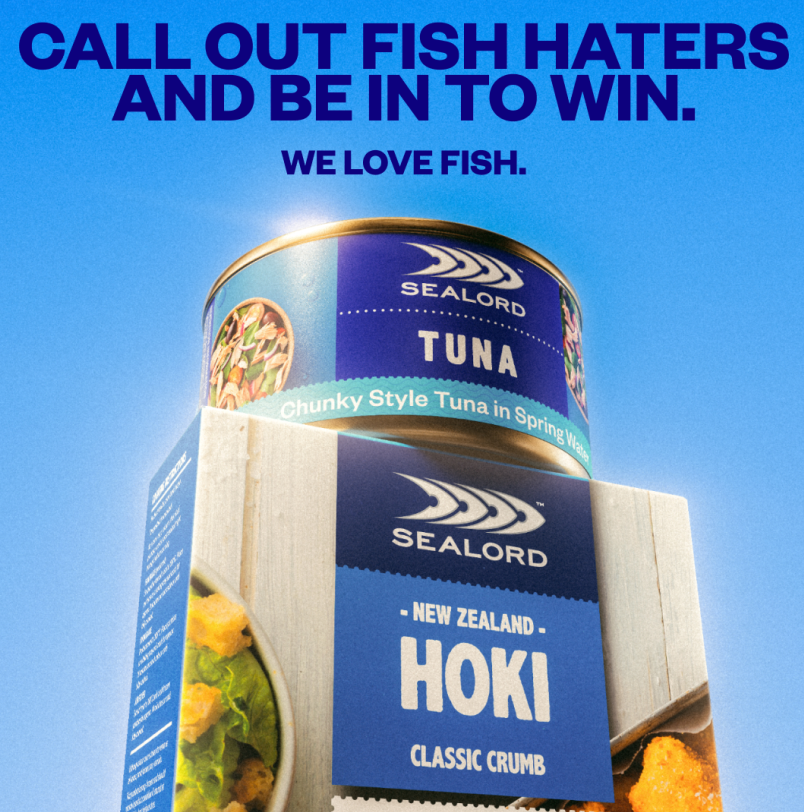
Sealord Launches Fish Discrimination Reporting Scheme
In response to the findings, Sealord has launched a new reporting scheme calling on Kiwis to dob in examples of fish discrimination in their workplace.
Kiwis are being asked to report evidence of fish-based prejudice, from anti-fish microwave signs and passive aggressive lunchroom notes, to stories of being shamed for opening a tin of tuna at work.
Those who report fish discrimination will go in the draw to win three fish-inspired prizepacks, including a desktop airfryer.
“We want Kiwis to be proud to love fish. To enjoy every deliciously salty, savoury and gloriously succulent bite without worrying about whose nose they’ve offended,” says Butler.
“Fish lovers, New Zealanders, rejoice. Your time has come.”
About Sealord
Specialising in sustainable deepwater fishing, seafood processing and aquaculture, Sealord Group employs over 1,300 people in New Zealand, and around 180 in Australia. Sealord is the largest seafood business in New Zealand, exporting over 90 per cent of its catch to 40 countries in various frozen formats from Nelson and Lyttelton.